
Designing Dignity: Public Space for All Fan “Jazz” YangSan José, California
The project aimed to transform overlooked public spaces into inclusive, welcoming environments that foster community connection, creative expression, and belonging.
Designing Dignity in San José
Designing Dignity: Public Space for All draws on Fan “Jazz” Yang’s experiences living, studying, and volunteering in San José. Through her community involvement, she saw inequities and overlooked needs in public spaces, particularly for unhoused individuals, youth of color, and low-income families. The project aimed to transform overlooked public spaces into inclusive, welcoming environments that foster community connection, creative expression, and belonging. By engaging unhoused individuals, local artists, youth, and residents, Jazz hoped to identify community needs and explore practical improvements such as seating, art, access to hygiene, resource boards, and community activities. Ultimately, the project sought to promote dignity and inclusion while strengthening social connections and encouraging a more community-driven approach to how public spaces are imagined and shared.
While the project developed differently from its original vision, its central purpose remained the same: creating greater inclusion, reducing barriers, and helping marginalized community members feel supported. Her involvement with the Record Clearance Project (RCP), meetings with unhoused community members, and participation in jail orientation helped shape this direction. These experiences let her listen directly to people, better understand their needs, and connect dignity with access to information, resources, and opportunities.
Listening Before Finding Solutions
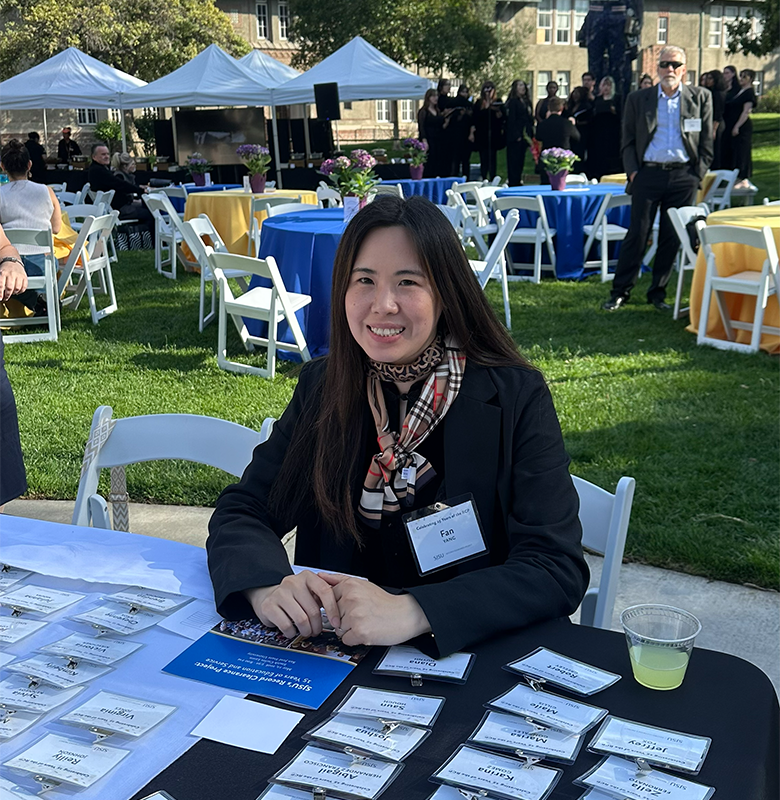
One of the biggest highlights of Jazz’s fellowship year was seeing Designing Dignity: Public Space for All develop from an idea into opportunities for direct community engagement. She participated in the workshop with the Record Clearance Project (RCP) at San José State University, met with unhoused community members, and participated in jail orientation to share information about the program and available support. These experiences gave Jazz opportunities to better understand the barriers people face when accessing resources and navigating complicated systems.
Another memorable milestone was exploring how technology could make support more accessible. Jazz developed and successfully ran a demonstration using a Raspberry Pi and AI tools to explore how information from criminal records could help complete forms used in the record-clearing process. The use of AI with official paperwork is still awaiting approval, but the demonstration showed the concept’s potential. For Jazz, this experience highlighted how technology, community engagement, and access to resources can work together to promote dignity and inclusion.
A Moment of Dignity at Court
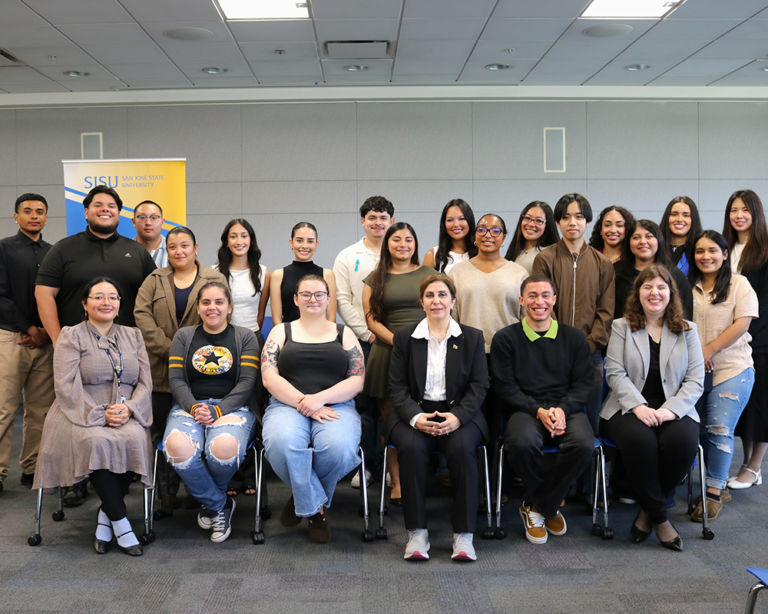
Jazz’s project contributed to the community by creating opportunities to connect with people who face barriers related to homelessness, criminal records, and access to resources. Throughout the fellowship year, she participated in three community-focused activities, including one workshop and two meetings, as well as the Record Clearance Project’s 15th anniversary event. During a jail orientation, the program reached more than 80 people. The RCP event also brought together more than 100 attendees, including individuals with criminal records, RCP staff, San José State University professors, guests, and potential future clients interested in clearing their records.
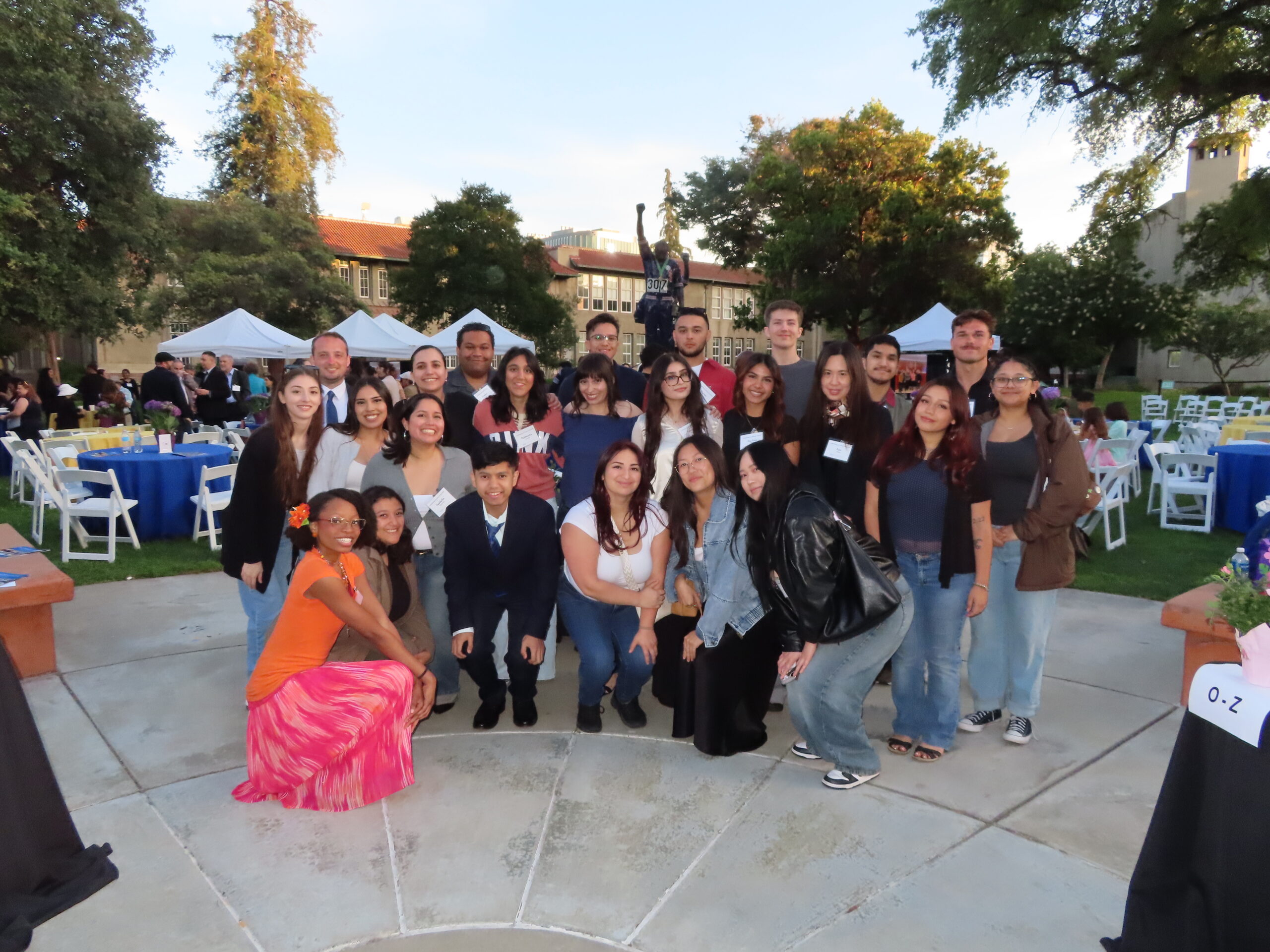
These experiences helped Jazz connect the goals of Designing Dignity: Public Space for All with real community needs. Community members, unhoused individuals, RCP staff, university faculty, and others involved in record-clearing work contributed through conversations, participation, and shared experiences. Jazz grew a stronger understanding of how community-based work can support dignity, inclusion, and access to new opportunities.
One of the most meaningful moments for Jazz happened at a San José court, where she joined the RCP team in supporting a client seeking to clear her criminal record. The client shared that she came from a broken home, experienced homelessness, and had accumulated a long criminal record. After becoming a mother, she wanted to change her life, find stable employment and housing, and eventually become a social worker. During the hearing, the judge shared that her own mother was a social worker, creating an unexpected personal connection. At the end of the hearing, the judge granted the client’s expungement. The client began to cry and shared how much this decision would change her life.
The moment demonstrated that dignity could mean removing barriers and giving someone a real opportunity to begin again.
What Community-Led Change Requires
One of the main challenges Jazz faced was turning a broad vision for inclusive public spaces into something that responded to the community’s real and varied needs. Working with unhoused community members and people navigating the criminal justice system showed her that barriers to dignity and inclusion are often more complex than they first appear. Building trust, understanding individual needs, and navigating different organizations and systems also required time and patience. Throughout the fellowship year, Jazz learned that meaningful community change begins with listening and building relationships. Her interactions with unhoused community members, RCP clients, community partners, and people navigating the criminal justice system helped her understand that barriers such as homelessness, criminal records, employment, housing, and access to resources are often interconnected.
A project may begin with one vision but needs to remain flexible as community needs become clearer.
Moving forward, Jazz hopes to continue building partnerships, listening directly to people affected by systemic barriers, and finding practical ways to connect them with resources and opportunities.
About Fan “Jazz” Yang
Fan “Jazz” Yang is a Justice Studies student at San José State University and a community advocate rooted in San José. Her work focuses on equity, public space, and supporting unhoused and low-income neighbors. Through volunteering with groups like ABODE, she has helped connect people to resources and learned how grassroots efforts can drive real change. She is passionate about bridging the gap between justice in theory and in practice by creating inclusive, community-led spaces. She believes in local action, collective care, and using creativity to build a more connected, dignified future for everyone.