
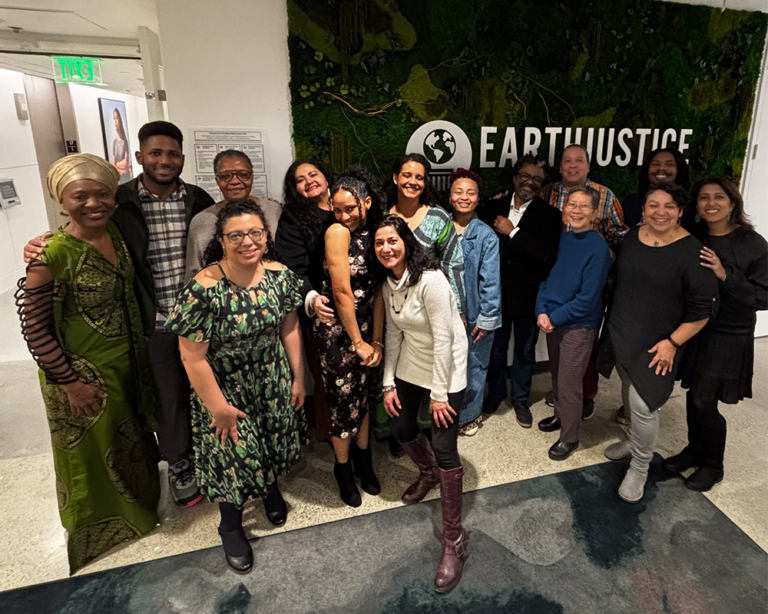
Eco-Underdogs: Upcycling for JusticeLorena JamesCharlotte, North Carolina
A series of hands-on workshops and pop-up events removing invasive plants and transforming them into handmade paper, native seed bombs, and fiber art, paired with ecology education, storytelling, and creative reflection.
Eco-Underdogs: Turning Invasive Species into Creative Opportunity
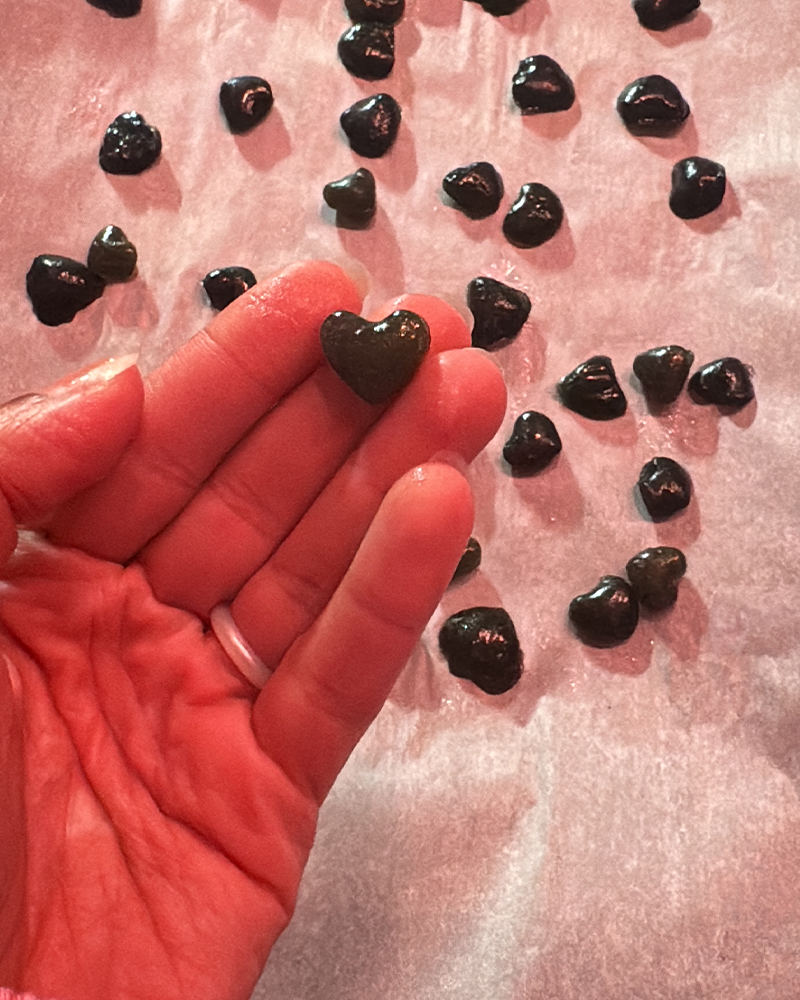
Kudzu Bioplastic Experiment
Lorena James founded Invasive Impact Initiatives after growing up immersed in nature in Buffalo, NY, and later studying environmental entrepreneurship at Davidson College, where a senior-thesis pitch addressing invasive species in Lake Erie became the seed of her ecopreneurial path. Invasive Impact Initiatives transforms invasive species into art, seed bombs, handmade paper, natural fiber goods, and educational tools, organized around an E.A.R.T.H. framework of Ecology & Arts, Research & Technology, and Heritage. Through her KECC project, Eco-Underdogs: Upcycling for Justice, Lorena’s work is rooted in Charlotte, NC, where she hosts hands-on workshops and pop-up events removing invasive plants and transforming them into handmade paper, native seed bombs, and fiber art, paired with ecology education, storytelling, and creative reflection. Lorena envisions Invasive Impact Initiatives growing into a global network of invasive species upcyclers, with Charlotte anchoring that work.
Workshops, Upcycling and New Collaborations
Over the fellowship year, Lorena grew Eco-Underdogs: Upcycling for Justice into a recurring presence in Charlotte, hosting workshops and pop-ups at venues including the Innovation Barn and the Charlotte Museum of History’s eight-acre site, where participants removed invasive plants and turned them into handmade paper, native seed bombs, and natural fiber art. In May 2025, she hosted an invasive upcycling hackathon, and her year culminated in Food 101: Invasive Species Upcycling, an event she co-hosted with ZEN Gardens, Chef Gillian, and the hackathon’s winner, who joined her as a collaborator on the project.
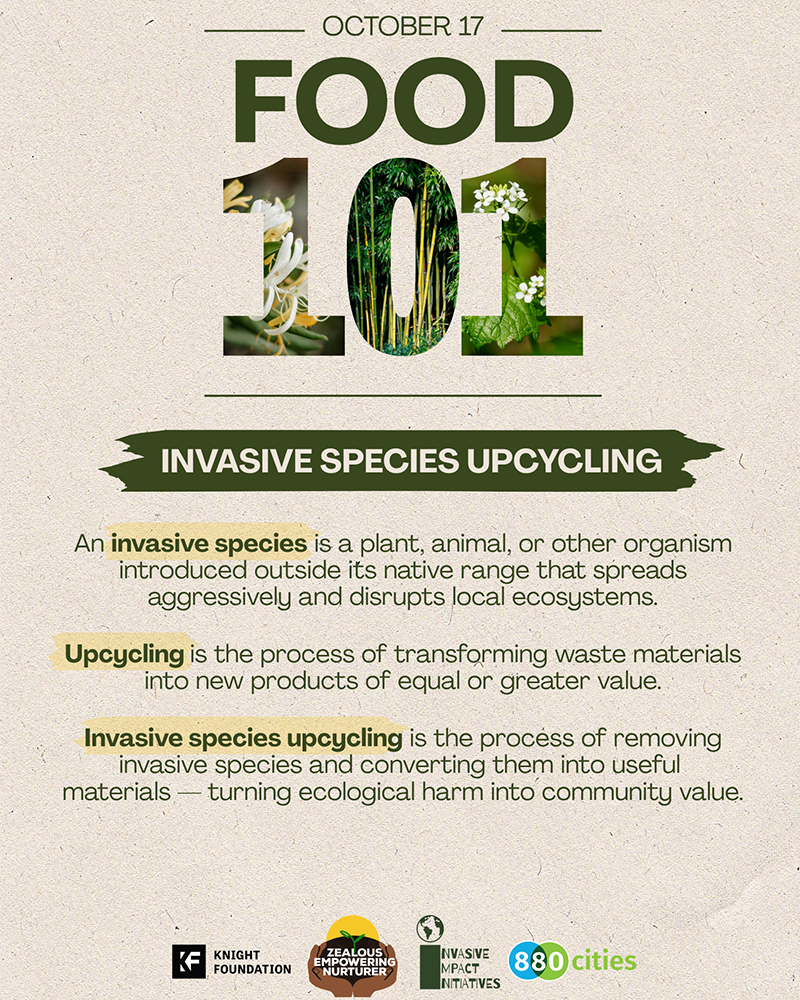
Food 101 Details Charlotte
Lorena also co-organized the Invasive Upcycling Summit with the North American Invasive Species Management Association (NAISMA) on August 27, 2025, a virtual gathering of more than a dozen speakers exploring invasive species upcycling. During her fellowship, she was also awarded the Young Climate Leaders of Color fellowship, which holds similar values to KECC, and began participating in the beVisioneers fellowship; together, these programs are providing the structure and mentorship needed to take Eco-Underdogs to its next stage of growth.
Keeping the Work Strong Across Two Cities
The project met its original goals in Charlotte and grew beyond them. KECC support helped ensure the work in Charlotte, NC could continue sustainably even as Lorena relocated to her hometown of Buffalo, NY. As a board member of East Side Stewards, a Buffalo nonprofit that turns abandoned lots into community gardens, she has begun collaborating on invasive species removal efforts and upcycling workshops there as well, laying the groundwork for Invasive Impact Initiatives to grow into a broader, multi-city network.
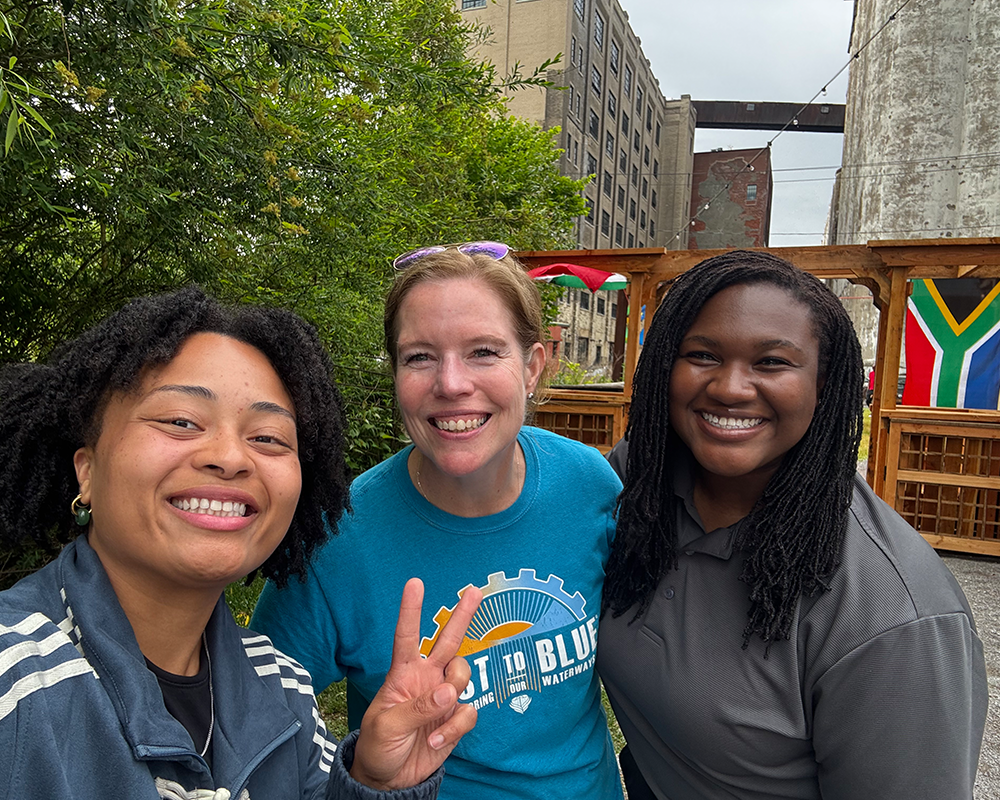
Buffalo Niagara Waterkeepers
One of the year’s biggest challenges was relocating to Buffalo, NY while keeping the Charlotte-based project strong and growing. Hearing fellow Champion, Jessica Gutierrez, share her own experience of moving to a new city during her KECC year, and how she continued her work through that transition, helped Lorena navigate the move while maintaining her roots in Charlotte.
Community Members Becoming Collaborators
Over 1,200 community members were engaged through Eco-Underdogs workshops and virtual educational programming this year. Workshops and pop-ups at the Innovation Barn and the Charlotte Museum of History paired hands-on invasive species removal and upcycling with ecology education and storytelling, and the project’s reach grew further through the Invasive Upcycling Summit with NAISMA and the invasive upcycling hackathon hosted in May 2025.
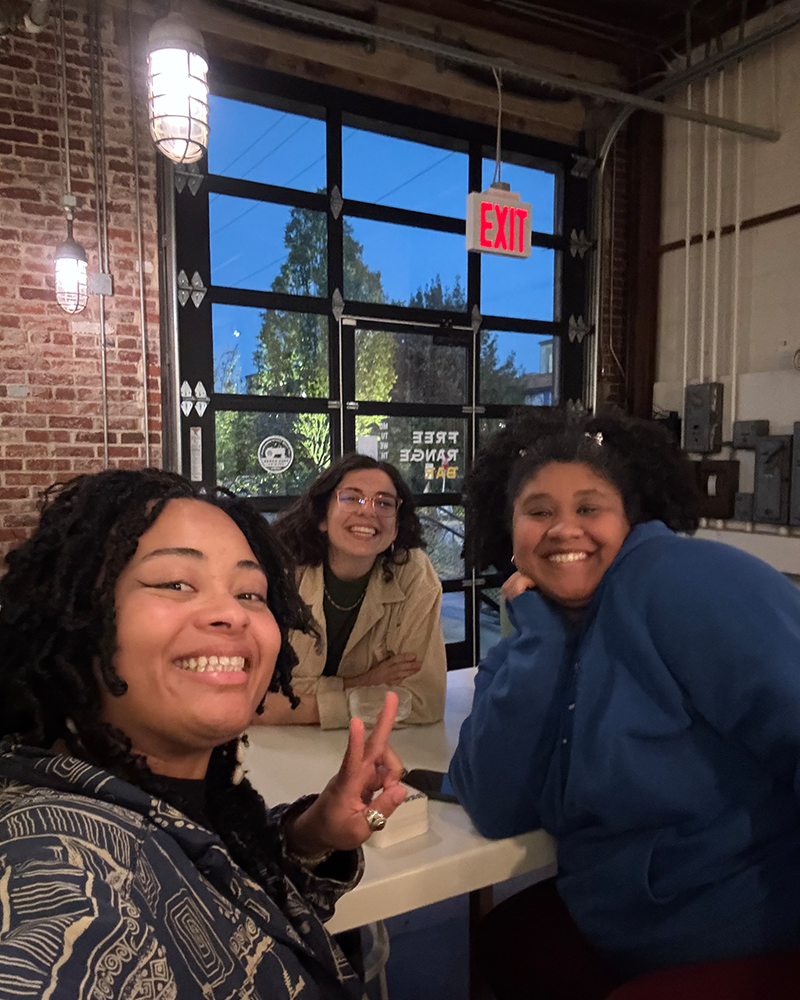
Hackathon Participants, Charlotte
A moment that captured the project’s impact was watching the winner of the May 2025 invasive upcycling hackathon become a collaborator on Food 101: Invasive Species Upcycling, the event that closed out Lorena’s KECC year alongside ZEN Gardens and Chef Gillian. Seeing a community member’s hackathon idea grow into an ongoing partnership reflects exactly the kind of community-built, community-led impact Eco-Underdogs was designed to create.
Growing Through an In-Between Season
My fellowship experience can be described as pupating between caterpillar and butterfly; I learned to embrace this in-between phase of discovery and growth as she imagined what Invasive Impact Initiatives and the Eco-Underdogs project could become.
KECC also reinforced the importance of centering community in this work, ensuring Invasive Impact Initiatives remains a mission-driven organization that centers the voices of people at the margins, and disenfranchised communities without regular access to environmental justice education.
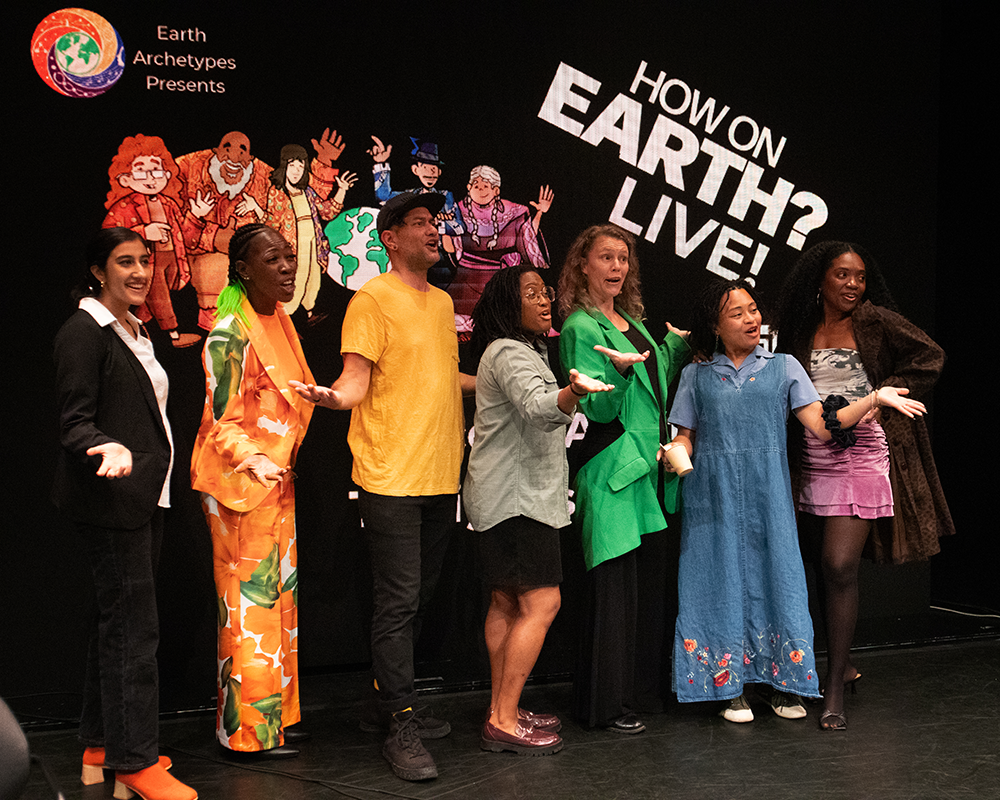
Photo: Climate Solutions Live Theatre, New York City
KECC has been instrumental in ensuring this work continues in Charlotte even as Lorena starts new work in Buffalo, and it has reinforced her commitment to centering community and mission in Invasive Impact Initiatives’ growth. Together with the Young Climate Leaders of Color fellowship and the beVisioneers fellowship, KECC provided the structure and mentorship Lorena needed to grow Eco-Underdogs and Invasive Impact Initiatives toward her vision of a global network of invasive species upcyclers, anchored in Charlotte and now extending to Buffalo.
About Lorena James
Lorena James is an ecopreneur and environmental justice advocate working at the intersection of restoration ecology, climate resilience, and cultural expression. She leads Invasive Impact Initiatives, a youth-led project that transforms invasive species into art, seed bombs, and educational tools. Rooted in Buffalo, NY and Charlotte, NC, Lorena supports young environmental leaders in place-based, creative action. Centering ancestral knowledge and civic engagement, she is committed to building cities where communities feel empowered to heal the land – and themselves – through joyful, collaborative work.
Instagram: @invasiveimpact