
LockeboxMarcus LockeCharlotte, North Carolina
Lockebox is a repurposed shipping container and community learning space in West Charlotte, sitting at the center of Oaklawn Park, Washington Heights, and McCrorey Heights.
Lockebox is a repurposed shipping container and community learning space in West Charlotte, sitting at the center of Oaklawn Park, Washington Heights, and McCrorey Heights. Marcus Locke began the project with a vision for the Journeyman Workshop: a neighborhood-based approach to exposing residents to practical skills, creative opportunities, and sustainability. With support from the Knight Emerging City Champions fellowship, Marcus began building and activating the Lockebox while testing what this vision could look like in practice. Throughout the year, programming introduced residents to skills and experiences ranging from gardening and sustainability to photography and screen printing. These activations also let Marcus learn directly through participation—observing what drew residents out, what they were most interested in, and what resources could best benefit the surrounding community.
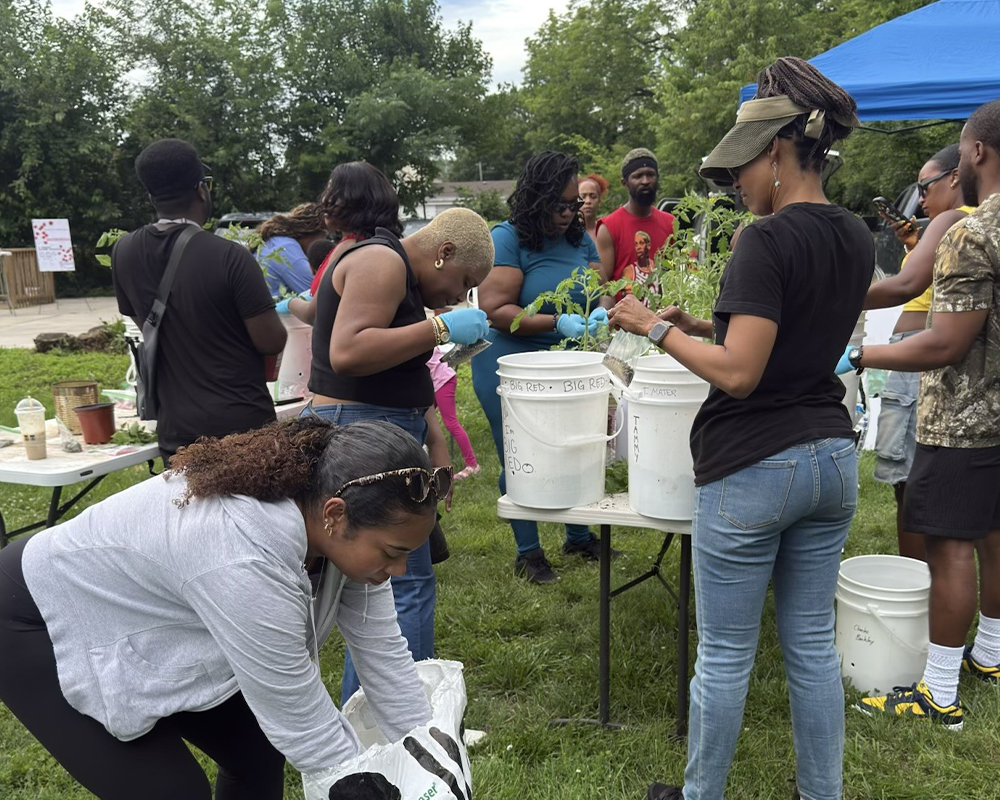
Tomato Tomato: Tomato Garden Workshop May 2026
One of the fellowship year’s biggest accomplishments was transforming Lockebox from an idea and physical structure into an active community resource. With KECC support, Marcus began the shipping-container build while bringing residents into the space through a range of programming.
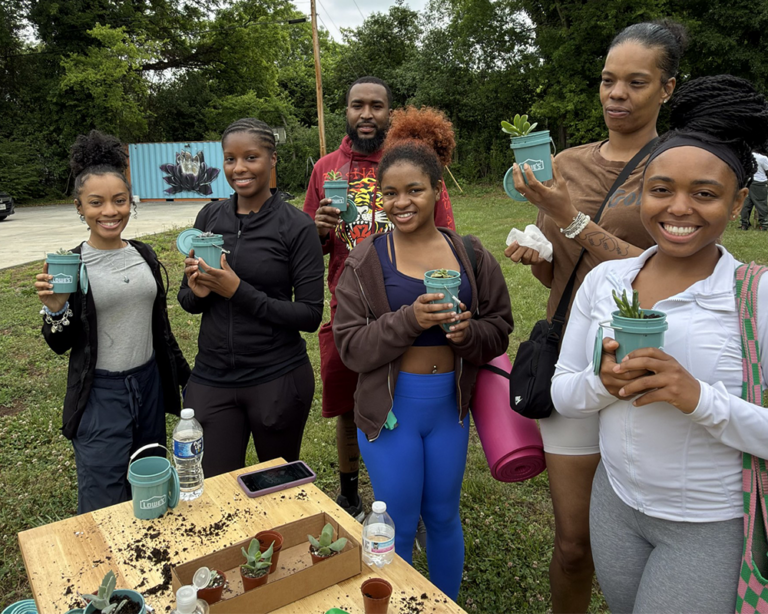
Activities included a tomato container gardening workshop, youth photography programming through SMILE, hands-on screen-printing activities, a free community gathering, and the development of a community garden. Across Lockebox during the fellowship year. Each activation gave residents a chance to learn new skills while helping Marcus better understand what interests and benefits the surrounding neighbourhoods. One of the most meaningful successes was seeing Lockebox become a place people could actively participate in rather than simply a physical project being built in their community.
Programming Focused on Residents
Lockebox made significant progress toward its original goals, particularly in activating the space and engaging the surrounding community. Throughout the fellowship year, Marcus tested the original vision through programming focused on sustainability, creativity, and skill building, while learning which activities resonated most with residents.
The physical infrastructure evolved differently than originally anticipated, and some elements, including solar panels and other improvements to the shipping container, are still to come. Rather than completing infrastructure based solely on the original concept, Lockebox can now use what was learned through its first year of programming to make more informed decisions about the space, future programming, and the resources needed for its next phase.
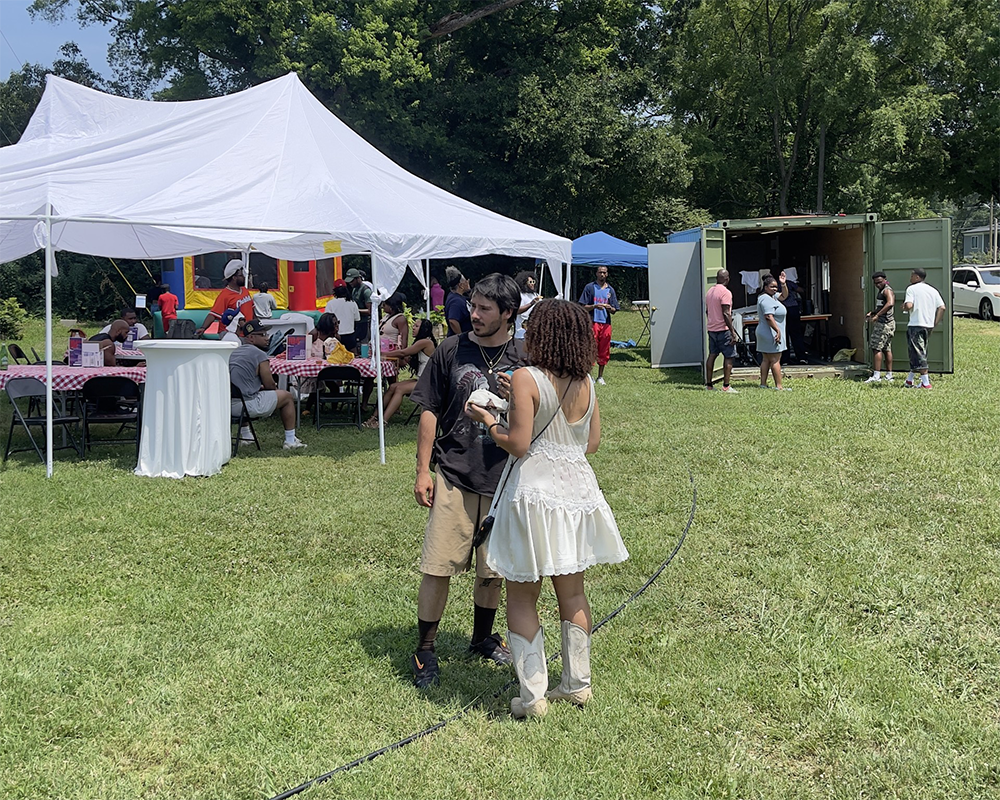
7ord Day: Free Community Day July 2026
Activating the Space: A Balancing Act
One challenge throughout the fellowship year was balancing Lockebox’s original vision with what Marcus learned while activating the space. Some physical improvements, including solar panels and other infrastructure, took a different path than initially anticipated and remained part of the project’s next phase.
At the same time, programming helped Marcus better understand how residents wanted to engage with Lockebox and raised new questions about how the project could grow sustainably. Instead of viewing these changes as blockers, Marcus approached them as opportunities to pivot and make more informed decisions. Support and connections through KECC also helped bring greater clarity to the project’s next steps, allowing Lockebox to continue developing its infrastructure while being more intentional about future programming, partnerships, and expansion.
Throughout the fellowship year, Lockebox engaged more than 100 community members across six community activations focused on creativity, sustainability, skill building, and neighborhood connection. Programming introduced residents to hands-on experiences including container gardening, photography, screen printing, and other opportunities to learn new skills in an accessible setting.
Local Support for the Community
The work was supported by local instructors, community members, and leaders from surrounding neighborhoods, including Washington Heights and McCrorey Heights. Beyond participation numbers, the activations showed that these resources are valued and needed when they are accessible within the community. They also gave Marcus valuable insight into the programming and experiences residents want most as Lockebox plans its next phase.
One of the most meaningful signs of Lockebox’s impact has been seeing neighborhood kids come over on their own and ask how they can help. Whether through an activity or simply wanting to be involved, their interest showed Marcus that the space was becoming something they felt connected to. There were similar moments when families and other neighbors, simply going about their day, saw an activation happening and decided to walk over and participate. “Those organic interactions have been especially meaningful because they show that Lockebox does not always need a formal invitation to bring people in.” Its presence in the neighborhood is creating curiosity, participation, and a growing sense that the space is there for the community to use and contribute to.
Thinking Beyond
Marcus learned that resources and opportunities are valued when they’re accessible within the community. Lockebox’s activations helped show what residents are interested in and reinforce the value of creating approachable ways for people to learn new skills and engage close to home.
His network of KECC Champions also showed him how interconnected community work can be. While each Champion’s project may look different, many are addressing similar goals around access, sustainability, creativity, and stronger communities. Learning from their different approaches reinforced the importance of relationships and collaboration.
The fellowship also pushed Marcus to think beyond attendance and focus more on building lasting participation. He developed a better understanding of how Lockebox can collect community information, maintain relationships, identify programming that brings people back, and use those insights to make more informed decisions as the project grows.
Looking back, Marcus would have been more intentional about understanding what specifically drove participation at each activation—whether it was the theme, activity, environment, or another factor. While community interest was clear, a stronger process for capturing those insights would have helped shape future programming sooner.
Continuing with Relationship Building, Partnerships and Community Connections
Throughout the fellowship, Marcus built relationships that helped strengthen both the physical space and Lockebox’s connection to the surrounding community. This included 1202, whose partnership has supported the location and use of the Lockebox space, as well as community leaders in Washington Heights and McCrorey Heights. Marcus also developed relationships with local instructors and community members who brought expertise in areas such as agriculture and sustainability to help lead activations. Charles Thomas from the Knight Foundation has also been a consistent mentor throughout the fellowship, providing guidance as Marcus has navigated the project’s development and future direction.
These relationships have helped Lockebox bring different skills, resources, and networks directly into its programming. Community leaders and instructors have helped connect residents to activations and provide expertise that Marcus could build into the Lockebox experience. Beyond KECC, Marcus hopes these relationships lead to continued collaborations, shared programming, and opportunities for partners to bring their own communities and networks into the space. As Lockebox grows, the goal is for it to become a resource that partners can continue using to host activations, share knowledge, and create new opportunities for residents.
Connections in other cities with people who understand the opportunities and challenges of community-based work have been especially valuable. The fellowship gave Marcus both a network he can keep leaning on and new perspectives to bring back to Lockebox.
The best part of KECC, was the combination of the people, experiences, and resources. The 8 80 Cities speakers and training provided practical resources he could apply to his work, while the travel and time spent with other Champions created relationships that extend well beyond the fellowship.”
KECC reinforced the power of collaboration and learning from people doing similar work in different ways.
Seeing how other Champions approach their communities gaveme new sources of inspiration and helped expand his thinking about what Lockebox can become. The mentorship, funding, and resources provided throughout the fellowship provided tools to move from ideas to action.
Moving forward, Marcus sees greater opportunity to collaborate across cities, learn from what others have built, and apply those lessons locally as Lockebox continues to evolve.
About Marcus Locke
Marcus Locke is a multidisciplinary artist, Navy veteran, and community advocate. His work blends public art, sustainability, and hands-on skill sharing to foster belonging and opportunity in historically underserved communities. Marcus’s creative approach comes from his family’s entrepreneurial foundation in East Charlotte, where leading with purpose and building from the ground up was a way of life.
Instagram: @lckbx
Website: www.thelockeye.com