
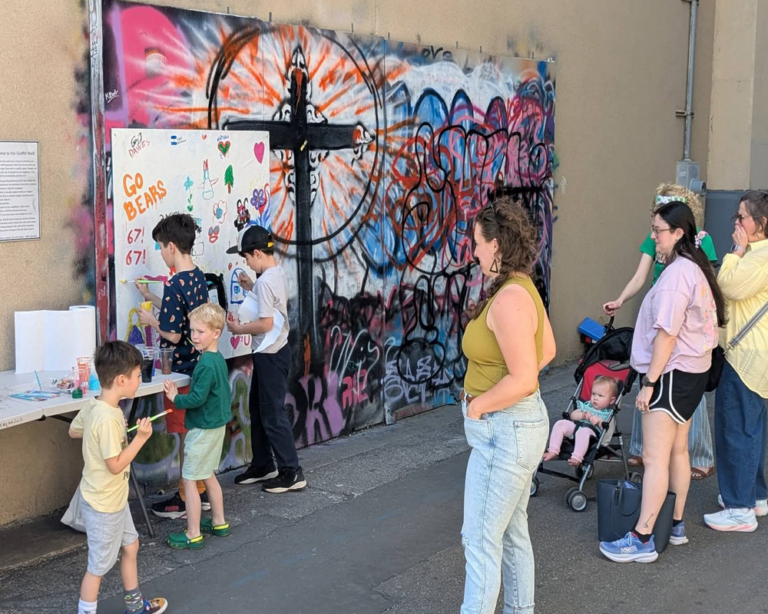
The Still PointDeMarcus BeckhamMacon, Georgia
The Still Point was created to ensure Macon’s celebrations and shared public spaces are truly accessible. It models how sensory-friendly design strengthens community inclusion.
Making Macon’s Cultural Spaces More Accessible
Macon, Georgia, has a vibrant cultural landscape, home to more than 20 annual festivals and a thriving live-music scene. Yet these high-stimulus environments can overwhelm neurodivergent festivalgoers and community members. The Still Point: Sensory Sanctuary for Neurodivergent Festivalgoers was created to ensure Macon’s celebrations and shared public spaces are truly accessible.
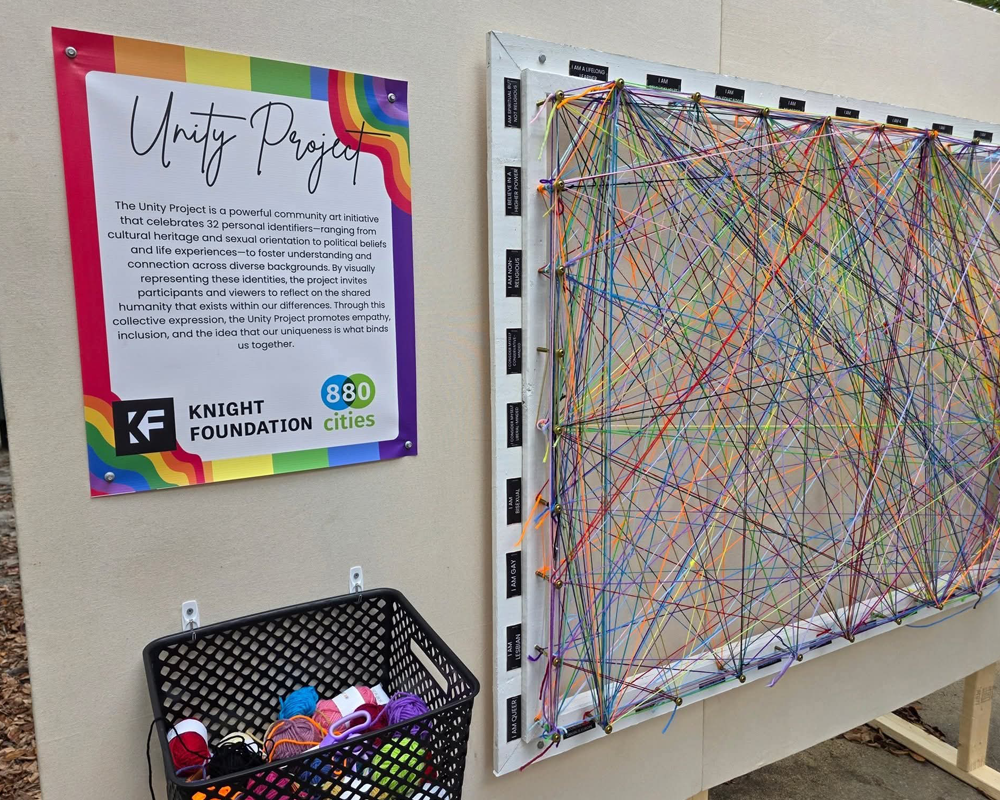
The initiative introduces quiet zones, low-sensory hours and programming, sensory kits, clear visual signage, and online guides designed to reduce sensory overload for autistic, ADHD, and sensory-sensitive attendees. These supports also benefit families, youth, and anyone who may need a break from crowds or noise, whether at festivals, concerts, or other high-traffic public settings. By partnering with local healthcare professionals and integrating neurodiversity education into arts and cultural events, The Still Point models how sensory-friendly design strengthens community inclusion. It also demonstrates how these tools can support everyday life, not just festival experiences.
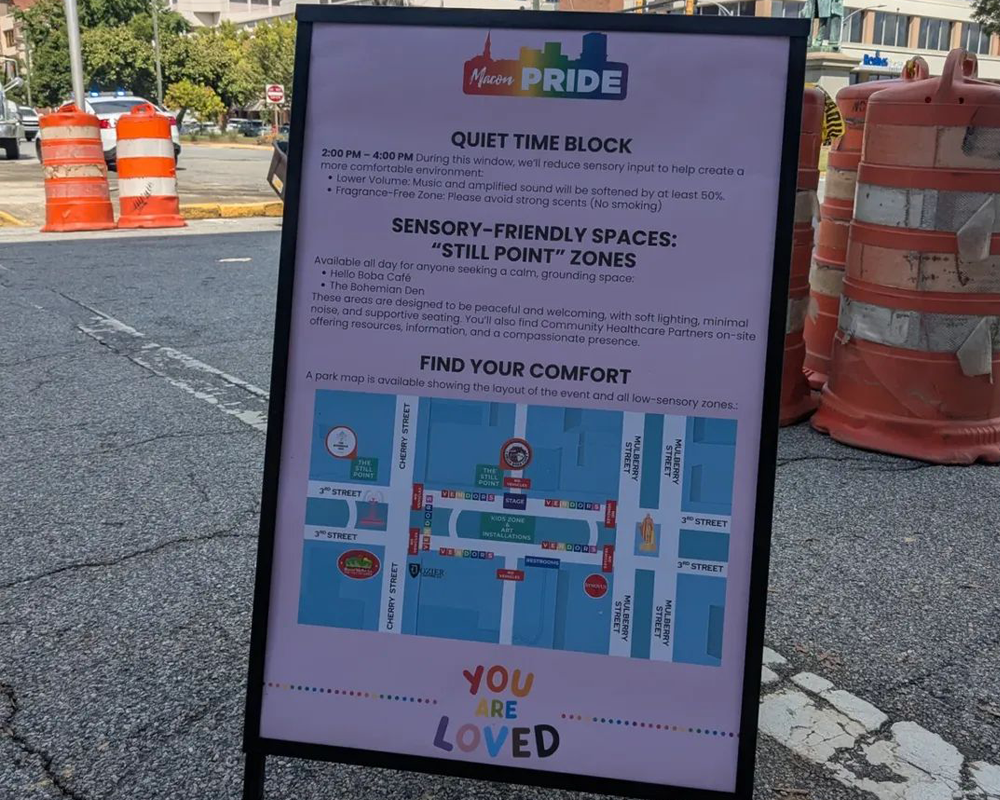
Building Sensory-Friendly Festival Experiences
Accessibility became the connective thread of DeMarcus’s fellowship year, shaping how they designed experiences and how they actively sought out community resources and local businesses that believed in inclusive cultural spaces. Partnering with Macon Pride and the Tubman African American Museum, they helped integrate sensory-friendly art installations, quiet zones, and multi-modal creative activities into festivals, pop-ups, community discussions, and public art exhibits. These collaborations demonstrated how community art can foster belonging, bridge differences, and make neurodiversity visible in public spaces.
Key highlights included the launch of The Still Point, a network of sensory-friendly enclaves supported by Macon Mental Health Matters, River’s Edge Behavioral Health, Sangha Unity Network, Wesleyan College Health Services, and the Family Counseling Center of Central Georgia. DeMarcus witnessed attendees using sensory kits, taking refuge in quiet spaces, and engaging more confidently in festival activities, clear markers of impact. Unexpected successes emerged from local businesses eager to participate and from families who shared that these features made their first-ever Pride attendance possible.
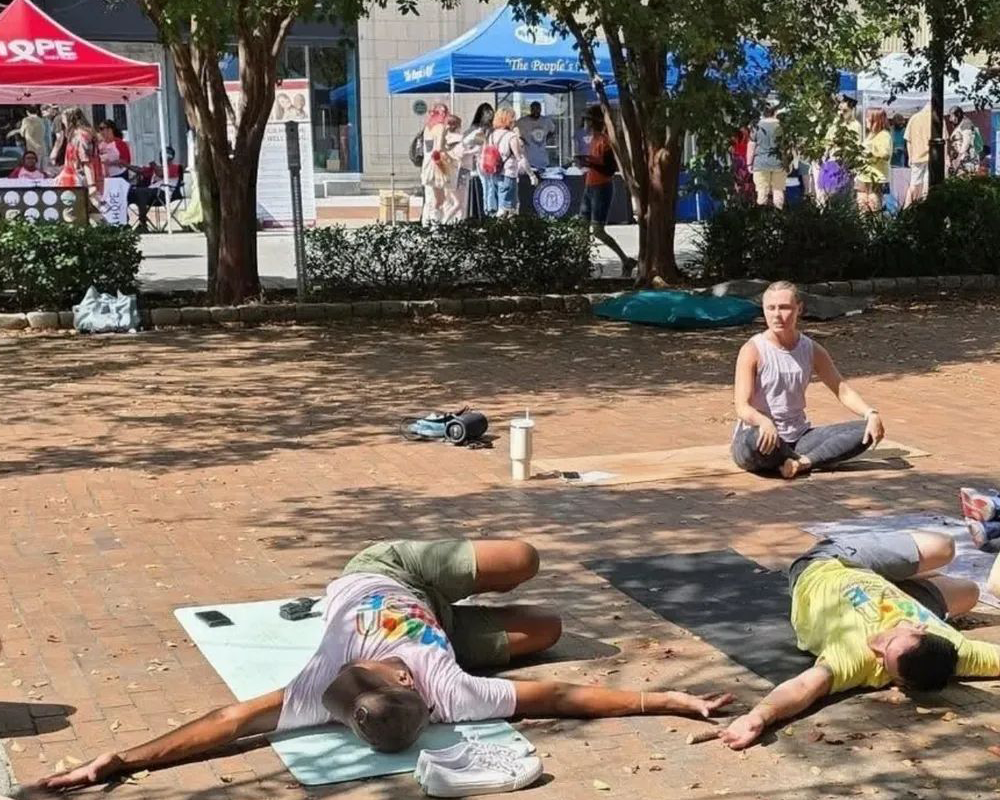
The Still Point will continue as a festival fixture. With new funding and growing community interest, future events will expand youth elements and introduce additional art installations across Macon’s cultural programming. The initial plan included participating in a third festival, but timing constraints and funding restrictions required a strategic pivot. Instead of stretching resources thin, DeMarcus used the momentum, partnerships, and community interest already built to deepen work with the two primary organizational partners, Macon Pride and the Tubman Museum. Together, they expanded sensory-friendly installations, strengthened The Still Point network, and supported additional community discussions, pop-ups, and public art activations.
Local businesses stepped forward with unexpected enthusiasm, reinforcing the value of accessible cultural design.
Designing for Full Participation
Our project showed that accessibility is a necessary feature of art and cultural festivals and it’s what makes them truly communal. By building sensory rooms, low-stimulus zones, multi-sensory art installations, and ADA-compliant spaces, we made sure neurodivergent attendees, mobility-impaired community members, and people with varied sensory needs could participate fully and comfortably. That commitment shaped how we partnered with local businesses and community organizations; we actively sought out collaborators who shared our values and could offer tools, expertise, and lived experience that strengthened the work.
Through these partnerships, more than 8,000 community members engaged with Still Point resources and connected with neurodivergent and mental-health supports. We hosted two four-day regional festivals, five pop-up art installations, and seven community safe-space meetups, each intentionally designed to model accessibility and shared ownership of public cultural spaces.
Attendees consistently told us how meaningful these spaces were. One Macon Pride participant shared that “the low-stimulus zone helped them avoid burnout and stay for the full festival.” At the same time, another noted that the festival’s low-sensory hours, when overall noise was kept to a medium, were “an interesting concept” they hoped other festivals would adopt. They also appreciated the addition of a kids’ zone that offered “productive activities” for younger attendees.
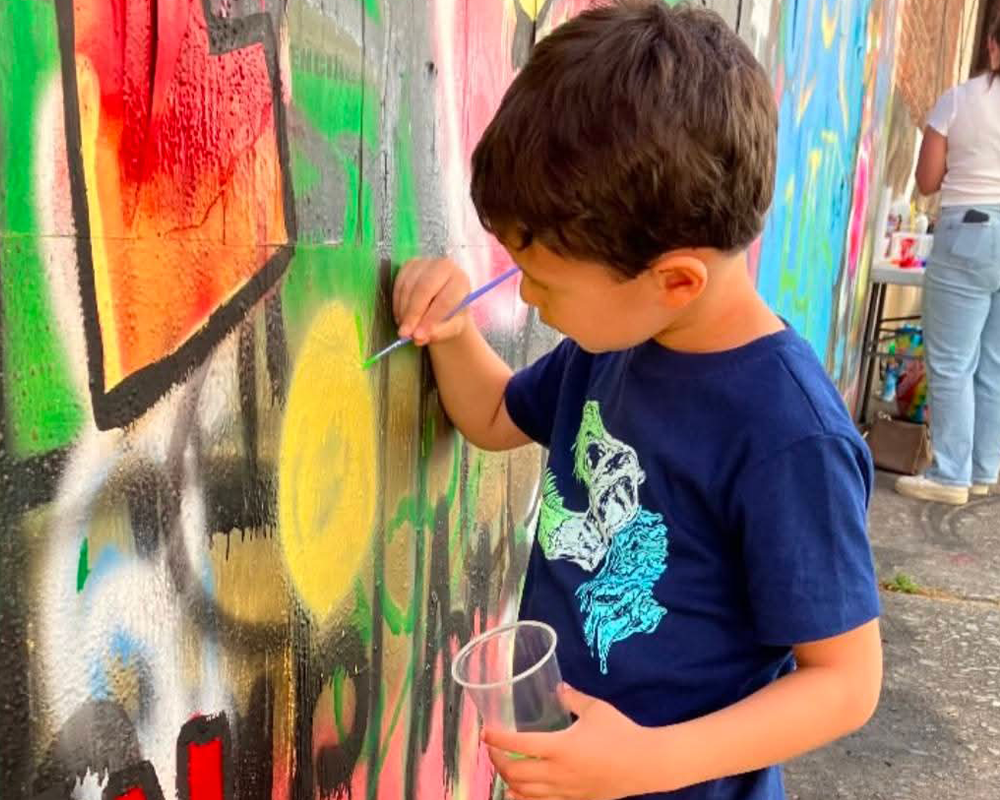
A collective moment reshaped how we move through our work. During an installation up a flight of stairs, a wheelchair user approached our team with real concern about access. As a group, we stopped, listened, and reorganized the entire setup on the spot so the event could continue with full mobility access. That pause changed us. It reminded us, viscerally, that accessibility isn’t theoretical or optional; it’s human, immediate, and shared. Since then, we’ve committed ourselves, as a team, to being more attentive, more genuine, and more proactive in how we show care.
Accessibility is now a non‑negotiable part of every plan we make, not only in physical design but in multi‑sensory inclusion.
 About DeMarcus Beckham
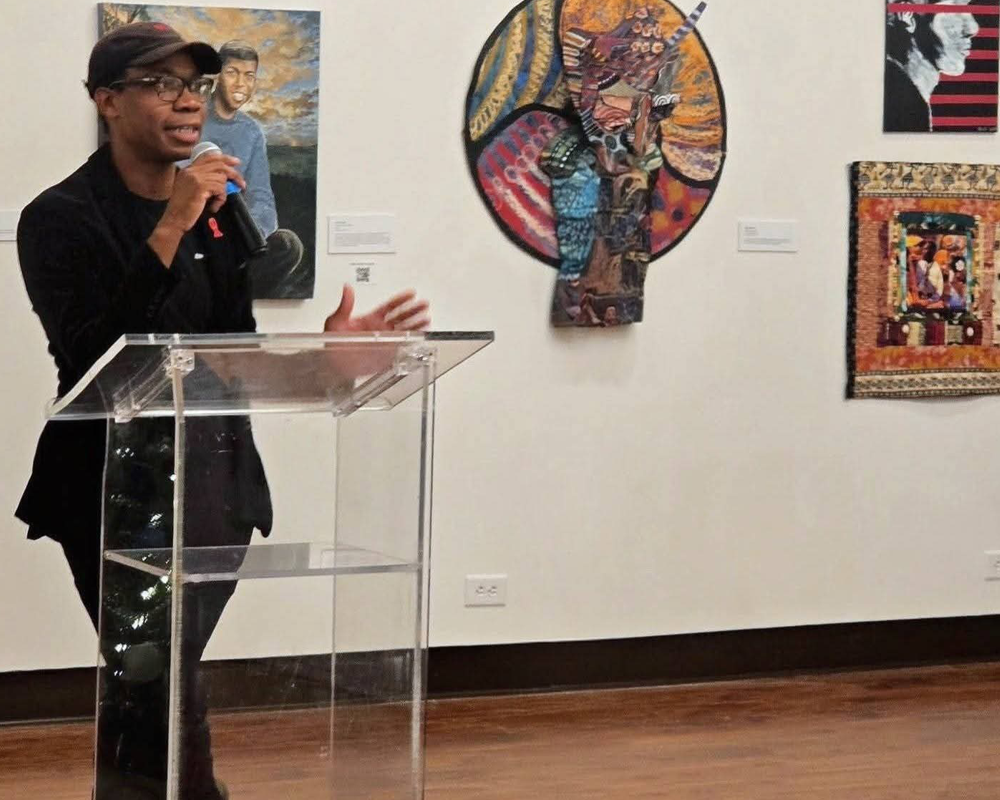
DeMarcus Beckham is a proud native of Zebulon, Georgia, whose journey led him to Macon more than a decade ago, where he has built a life rooted in service, creativity, and connection. Over the years, Macon has become not just his home but also the place where he has invested deeply in leading community engagement projects, strategic organizing, and strengthening the connective tissue among Middle Georgia’s communities.
A nonprofit Operations Director and Political Regional Organizer, DeMarcus brings a strategic yet people-centered approach to community outreach and civic engagement management. He is passionate about activating public spaces and cultivating a lasting arts and culture legacy in Macon, positioning the city as a place where creativity and community reinforce one another. He is a co-founder of Macon Pride; DeMarcus champions inclusive spaces and celebrates the richness of LGBTQ+ life in Middle Georgia. His leadership has earned recognition as one of Macon Magazine’s 5 Under 40 Young Leaders and as a NewTown Macon Partners in Progress Emerging Leader.
When he’s not organizing or building community, you’ll find him on a long-distance run, exploring art history, mastering loom crochet, or perfecting the craft of the ultimate sandwich.
Instagram: @demarcusbeckham
LinkedIn: @DeMarcus Beckham
Facebook: @demarcus.beckham
Website: The Still Point — Macon Pride
In the News:
‘You can find family’: Macon Pride celebrates ‘Pride in the Park’ Saturday –