
Veteran VillageKhaia GibsonMacon, Georgia
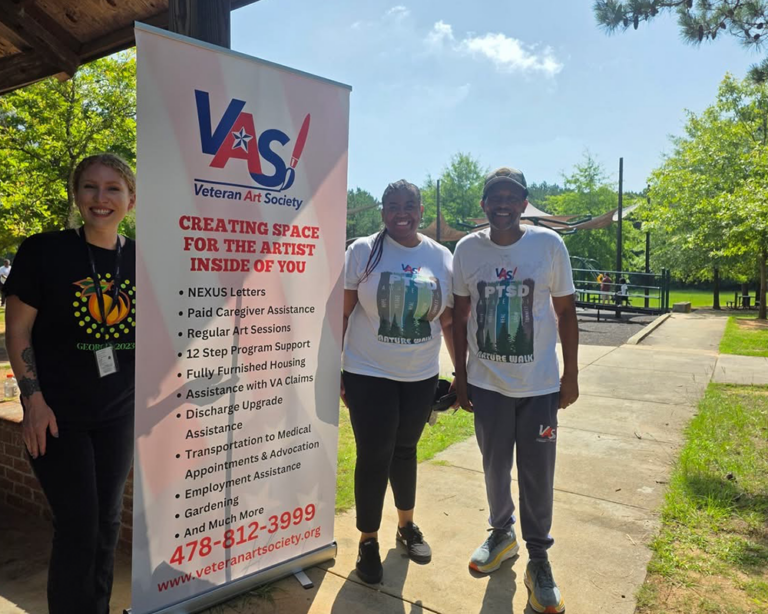
Veteran Village was inspired by a desire to expand the ways veterans experiencing post-traumatic stress disorder (PTSD) can engage in creative expression, healing, and community connection.
Community Connection and Creative Expression as Tools for Veterans to Heal from PTSD
Veteran Village was inspired by a desire to expand the ways veterans experiencing post-traumatic stress disorder (PTSD) can engage in creative expression, healing, and community connection. While many veterans participate in traditional art activities such as drawing and painting, Khaia wanted to explore the idea that nature itself can be experienced as art and as a tool for coping and reflection.
The project addressed the need for greater awareness of the experiences that veterans carry after military service, particularly the lasting effects of PTSD. Through Veteran Village, she hoped to create a welcoming environment where veterans could connect with nature, one another, and the broader community. Ultimately, the project sought to highlight our local veteran population while introducing nature-based experiences as another accessible avenue for creativity, stress relief, and emotional well-being.
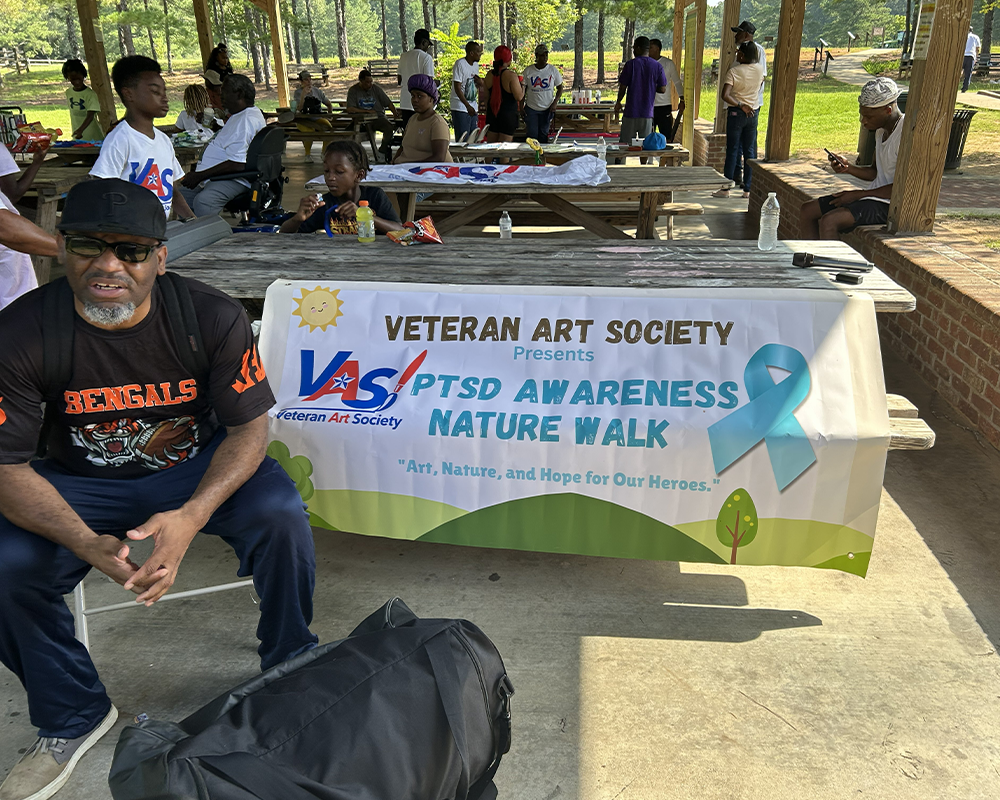
The founder of the local youth organization, Hope Youth Sports Association.
Connecting Veterans and Youth: An Intergenerational Experience
One of the most memorable and unexpected highlights of her fellowship year was the connection Veteran Village developed with Hope Youth Sports Association, an organization serving young boys ages 8–12. What began as a partnership quickly became a meaningful intergenerational experience between the youth and participating veterans.
Throughout the project, veterans had opportunities to talk with the young boys, share their experiences, answer questions, and spend time connecting with them. Watching those relationships develop was especially meaningful because it demonstrated that Veteran Village could accomplish more than raising awareness about PTSD and introducing nature as a coping mechanism. It could also create a space for mentorship, understanding, and community connection.
The interaction allowed the children to see veterans not only for their military service, but also as mentors and community members with valuable experiences and wisdom to share. For Khaia, this was one of the project’s greatest successes because it created an impact she hadn’t originally anticipated and opened the door to continued intergenerational engagement.
Children Understanding PTSD: A High Note of the Project
Khaia achieved her goals for Veteran Village, but the project also evolved in ways she did not initially anticipate. One of the greatest successes was seeing children gain a better understanding of PTSD and begin to recognize how it may affect veterans within their own families and communities. What began as an effort to introduce nature as a coping mechanism developed into a broader opportunity for education, awareness, and meaningful conversation.
One particularly impactful moment occurred when a coach from the youth organization shared his personal experience of losing his veteran son, who had struggled with PTSD. He explained that his family did not fully understand what his son was experiencing or how to support and communicate with him before his passing. His story reinforced her the importance of educating not only veterans, but also their families and support systems.
The educational component of Veteran Village ultimately became much more significant than she originally envisioned. It highlighted the need for additional resources to help families recognize PTSD, communicate with their loved ones, and better understand the challenges veterans may experience after returning home from military service.
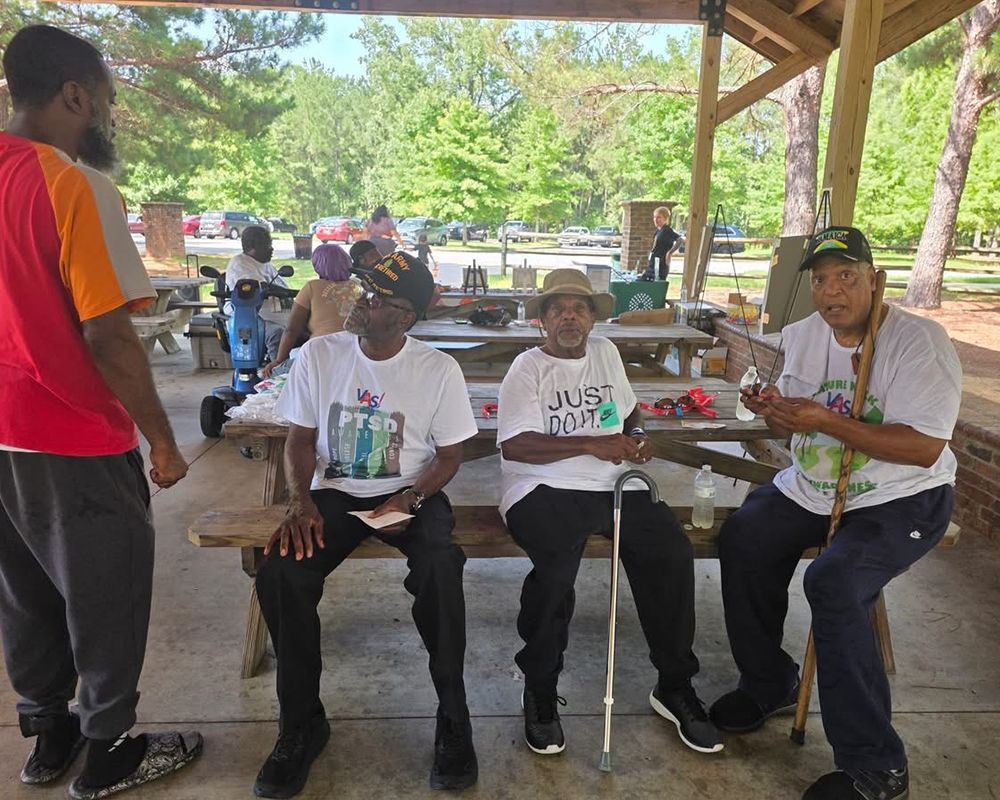
Veterans talk about their experiences with PTSD.
Before the Crisis: The Need for Strong Support from the Community
One of the most significant challenges during the project occurred when the founder of the veteran organization experienced a serious PTSD episode that required him to step away from the center and seek immediate support. As a result, the organization temporarily reduced its operations to part-time hours, with the unexpected challenge of maintaining activities and services.
However, this difficult moment also demonstrated the strength of the veteran community. In the founder’s absence, other veterans stepped forward to volunteer, help operate the center, and support one another. Their willingness to serve allowed the organization to continue its work despite the circumstances.
This experience reinforced one of the most important lessons from Veteran Village: veterans need strong, accessible local support systems before a crisis occurs.
I highlighted the importance of developing more community-based resources, trusted referral networks, and partnerships veterans and their families can turn to when they need additional support.
Veteran Village created an opportunity to bring veterans, youth, community organizations, businesses, and local leaders together around veteran wellness, PTSD awareness, and community connection. The culminating event welcomed 43 attendees, demonstrating meaningful community interest and support. The project also received support from three local foundations, a local credit union, five representatives from businesses and community organizations, and a representative from Congressman Sanford Bishop’s office.
The impact extended beyond that, as Khaia hosted three events at the Veteran Art Society office leading up to the Veteran Art Society Nature Walk, building relationships, increasing awareness, and creating multiple opportunities for veterans and community members to engage with the project.
One of the most meaningful outcomes was Robins Financial Credit Union recognizing her work as a Community Champion. This recognition validated the project’s importance and increased visibility for the Veteran Art Society.
Most importantly, Veteran Village strengthened connections between veterans and the broader community while creating conversations about PTSD, family support, nature, mentorship, and the importance of ensuring veterans feel seen and supported beyond their military service.
Meaningful Connections
One of the most powerful moments during the event was an unexpected connection between a veteran and the founder of the Hope Youth Sports Association. As they began talking, they discovered that they shared a significant life experience: both are blind. They openly discussed how they lost their sight, the challenges they have faced, and what motivates them to keep moving forward despite them. Watching this conversation unfold reminded her that meaningful connections often happen when people have space to come together, share their stories, and recognize themselves in someone else.
That interaction also inspired her to consider expanding the nature walk in the future to include “Veteran Art Society & Friends.” This concept would bring veterans together with non-veterans who also experience PTSD or trauma-related challenges, creating a broader community centered on healing, nature, understanding, and shared experiences.
The Importance of Being Agile
Throughout her fellowship year, I learned that meaningful community change is strengthened through collaboration, relationships, and a willingness to adapt.
Khaia was introduced to more organizations doing impactful work locally, which gave her a greater appreciation for the people and resources already present in her community. She learned that networking is not simply about making connections; it is about building relationships that can lead to shared ideas, stronger partnerships, and greater collective impact. One of her biggest lessons was the importance of being agile. Projects, partnerships, and circumstances do not always unfold as planned, and she learned to adjust while remaining focused on the larger goal. This lesson has been valuable both professionally and personally.
The fellowship also encouraged her to invest more intentionally in her own growth. She gained confidence and motivation to take the Project Management Professional (PMP) exam and successfully earned her certification. The champion has also stepped into a new leadership role as co-chair of another community organization.
Overall, this experience strengthened my confidence, expanded my network, and helped me see myself as a more capable and collaborative community leader.
In-person Outreach with Veterans Works Best
Looking back, she would have involved veterans more directly in the planning and design process from the beginning. While her initial vision for Veteran Village was informed by conversations and research, she realized the importance of gathering ideas directly from the veterans who would use and experience the space. Although the event unfolded differently than originally planned, it created an opportunity to gather valuable feedback. She also learned that in-person conversations and surveys were more effective than other outreach methods for engaging veterans, encouraging meaningful dialogue, and better understanding their needs and perspectives.
Different Perspectives Come with New Opportunities
Throughout the fellowship, Khaia built and strengthened relationships with organizations that supported the Veteran Village project and expanded her community network. These included Hope Youth Sports Association, Robins Financial Credit Union, the Community Foundation of Central Georgia, Macon Pride, the Family Preservation Stability Initiative, Home Depot, Trulieve, and Congressman Sanford Bishop’s Office. Each connection brought a different perspective, resource, or opportunity for collaboration, strengthening both the project and her ability to build meaningful community partnerships.
She leveraged these partnerships by connecting organizations with the Veteran Art Society, increasing awareness of its work, expanding community participation, and creating opportunities for organizations to contribute resources, ideas, and support. These relationships also helped identify shared interests beyond the original Veteran Village project, including accessibility, mental health awareness, community engagement, and wellness. Beyond KECC, she hopes these partnerships will continue through future events, collaborative programming, sponsorships, and resource sharing. Most importantly, she wants to maintain the relationships that were built and create opportunities for partners to work together on initiatives that support veterans while also strengthening the broader community.
An Idea Does Not Have to Start Large to Create Meaningful Impact
The best part of being a Knight Emerging City Champion was the opportunity to meet and connect with other Champions who are making a positive impact in their communities.
She was inspired by learning about the different projects, ideas, and approaches being used to address local challenges and create meaningful change. The KECC community reminded her that community work does not happen in isolation and that a larger network of people shares the same passion for improving the places they call home. She also appreciated the opportunity to learn from the 8 80 Cities team, speakers, mentors, and fellow Champions. Hearing their experiences encouraged her to think differently about her own leadership and project. Most importantly, the fellowship gave her a network of people she can continue learning from, collaborating with, and supporting beyond the program.
Her KECC experience expanded her vision of what is possible when community ideas are supported with the right resources, relationships, and opportunities. The fellowship showed her that an idea does not have to start large to create meaningful impact. With mentorship, funding, and a strong network, a small idea can grow into something that brings people together and creates opportunities for continued change.
This experience also strengthened her confidence as a community leader. She learned to be more intentional about listening to the people most affected by a project and to let their voices help shape the direction of the work. Moving forward, she hopes to continue building partnerships, creating inclusive community spaces, and developing projects that respond directly to community needs. “KECC helped her see herself not only as someone who supports community initiatives, but also as someone capable of leading and creating them.”
About Khaia Gibson
Khaia Gibson is a proud native of Macon, Georgia, with a strong passion for community engagement; she has dedicated the past four years to working with the Veteran Art Society Organization, supporting veterans coping with PTSD through the healing power of art, storytelling, and fellowship. Known as a reliable resource, she thrives on collaboration, idea-sharing, and continuous personal development. Her journey has taught her to embrace challenges, take meaningful risks, and seize every opportunity for growth and impact.
LinkedIn: @khaiagibson